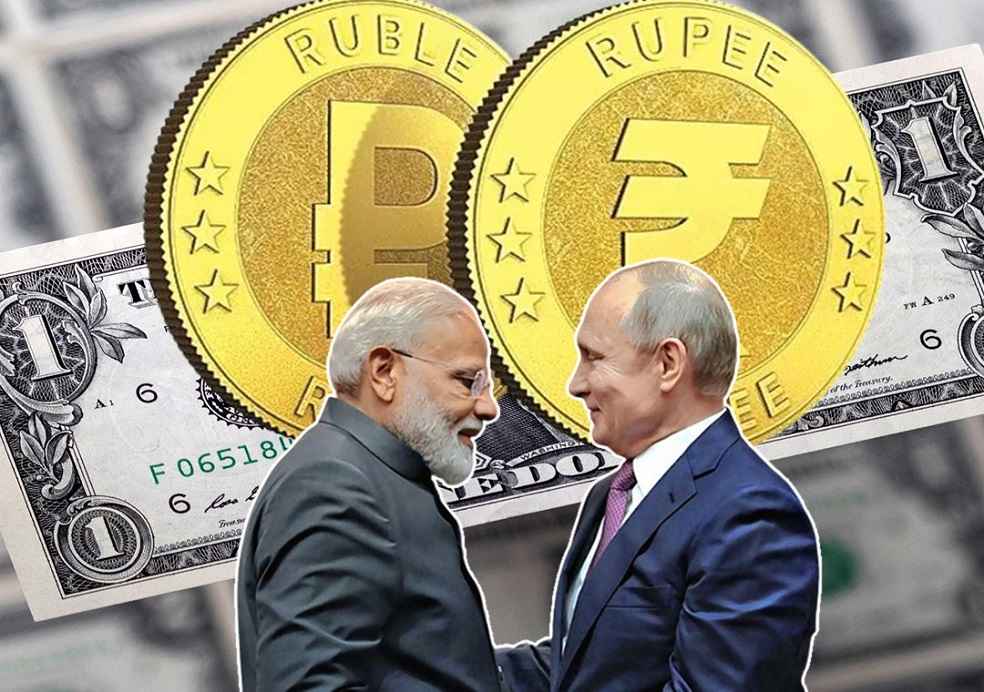
Global Tensions Rise: How a NATO–Russia Conflict Could Impact the Indian Economy
New
Delhi: As
geopolitical tensions continue to shape global markets, economists warn that a
direct military confrontation between NATO and Russia could have
far-reaching economic consequences well beyond Europe. India, one of the
world’s fastest-growing major economies, is expected to face both short-term
shocks and long-term strategic challenges if such a conflict occurs.
While the
scenario remains hypothetical, experts say preparedness and economic resilience
will be key.
Energy Prices Likely to Surge
Russia is
a major global supplier of crude oil and natural gas. Any military escalation
involving NATO could disrupt energy supplies, pushing global oil prices sharply
higher.
India,
which imports more than 80 percent of its crude oil, would be
particularly vulnerable. A rise in oil prices would directly affect fuel costs,
transportation, and electricity prices across the country.
Analysts
say this could trigger a fresh wave of inflation, increasing the cost of daily
essentials for Indian consumers.
Inflation Pressures Could Intensify
Higher
fuel prices often translate into increased costs for food, manufactured goods,
and services. Economists warn that inflationary pressure could reduce household
purchasing power, especially among middle- and lower-income groups.
“If
energy prices spike, inflation becomes difficult to control,” said a senior
economic analyst. “This affects consumption, savings, and overall economic
stability.”
Trade Disruptions Expected
India
maintains significant trade ties with Russia, including imports of defense
equipment, fertilizers, and energy products, while exporting
pharmaceuticals and machinery.
A
NATO–Russia conflict could lead to:
- Payment disruptions due to
sanctions
- Delays in shipping routes
- Supply shortages in critical
sectors
This
could impact agricultural productivity and defense readiness, officials
caution.
Stock Markets May See Volatility
Global
conflicts historically lead to market instability. Financial experts expect:
- Increased volatility in
Indian stock markets
- Possible withdrawal of
foreign institutional investments
- Pressure on the Indian rupee
“Global
uncertainty tends to make investors cautious,” market observers noted, adding
that short-term corrections are likely in such a scenario.
Defense Spending Could Rise
India
relies heavily on Russian defense platforms. Any disruption in supply chains
could push India to increase defense spending and accelerate diversification
toward domestic and alternative suppliers.
While
this may strain government finances, it could also boost India’s domestic
defense manufacturing under existing policy initiatives.
Agriculture Sector Faces Risk
Russia is
a key supplier of fertilizers. Disruptions could drive up fertilizer prices,
increasing costs for Indian farmers and raising food prices nationwide.
Experts
warn that food inflation could become a major concern if supplies are
affected for an extended period.
India’s Neutral Stance May Offer Limited Openings
India’s
policy of strategic autonomy could allow it to maintain trade relations with
multiple blocs. Diplomatic observers suggest India may emerge as a neutral
economic partner or mediator, though opportunities would remain limited amid
global instability.
IT and Services Sector Could Slow
European
economic uncertainty could affect demand for Indian IT and outsourcing
services. Industry leaders warn of possible project delays and reduced spending
by international clients in the short term.
Long-Term Outlook: Challenges and Opportunities
Despite
immediate risks, economists say the crisis could accelerate:
- Energy diversification and
renewable investments
- Domestic manufacturing
growth
- Reduced dependency on single
trade partners
“India
may face short-term pain, but long-term structural reforms could strengthen
economic resilience,” experts conclude.
Conclusion
A
NATO–Russia conflict would pose serious economic challenges for India, from
rising inflation to market volatility and trade disruptions. However, India’s
large domestic market, diversified economy, and strategic diplomacy may help
cushion the impact and support recovery over time.
As global
tensions evolve, policymakers and businesses alike are closely watching
developments that could reshape the international economic landscape.
Comments
Post a Comment